Character Design Ideas to Spark Your Creativity (AI)
We all know the feeling. You open a fresh canvas, grab your stylus, and… nothing. Your brain freezes. Instead of creating something new, you default to the same shapes and faces you have drawn for years. It kills the momentum. This is where AI tools are actually useful. They aren’t replacing you; they are just generating a pile of raw character design ideas so you don’t have to start from zero.
Here is how to use specific prompts to break that
block and get back to drawing.
block and get back to drawing.
Why Distinct Character Design Ideas Matter
Great art needs personality. No matter how big or spectacular the weapon, it’s unlikely to resonate with audiences unless the character is relatable rather than just looking like another mannequin wearing fancy attire.
When designing characters for your project(s), the goal is to create something unique by creating an atmosphere of authenticity inspired by feelings & experience that will make your character real to their audience. A good example would be the importance of the character’s origin story or backstory (the spark). Once you determine this, you can develop individual designs based on both the historical context of his or her race as well as the emotional connection he/she shares with you (your reader). Thus, having developed this connection between your reader and yourself through storytelling. AI has made it possible to visualize these connections even before they are created into an effective overall final design.Character Design Ideas: Get Better Results
This application is quick, though not intelligent. This means it lacks an understanding of what would qualify as “cool.” If you submit a vague prompt, you’ll receive a vague image in return. You need to act as a director in order to yield usable concepts for your character design. Here are 6 starter prompts to help you. Change out the specifics with the details for your own project. (Note: when filling out your prompts, substitute for your aspect ratio; for example, use —ar 16:9).
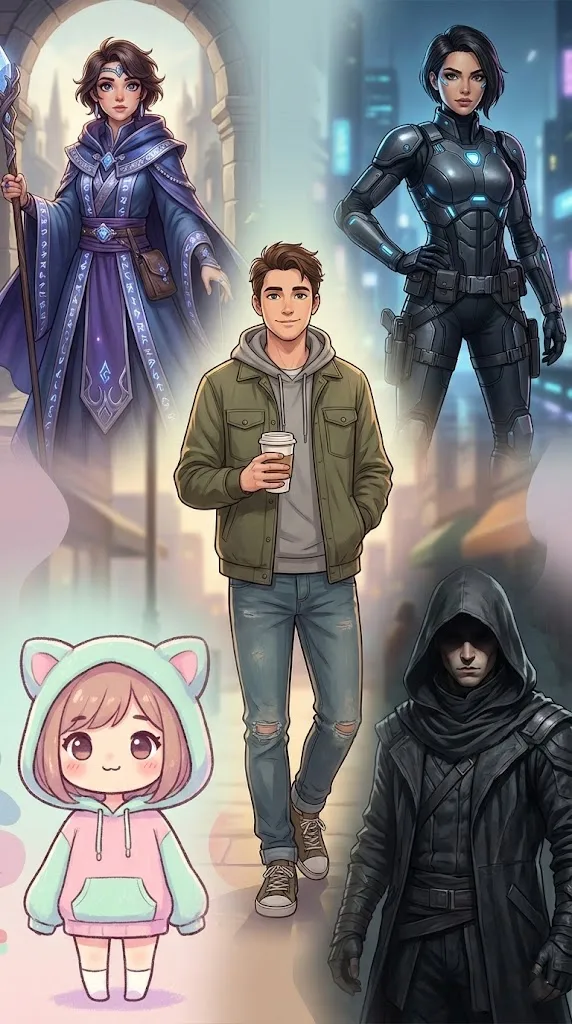
Everyday Slice-of-Life Character
Prompt:
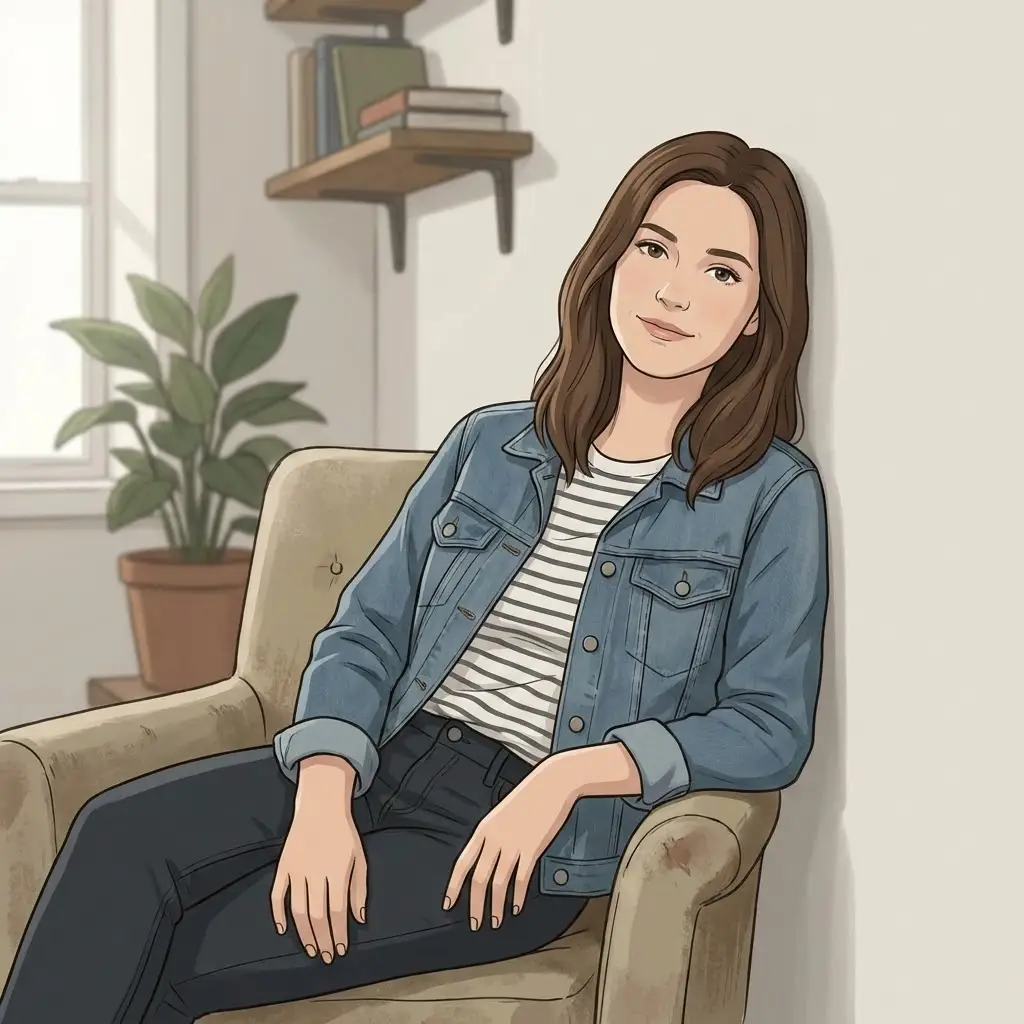
Original character, everyday modern outfit, relaxed posture, subtle facial expression, natural proportions, clean illustration style, soft lighting, simple background -- aspect ratio: <AR>
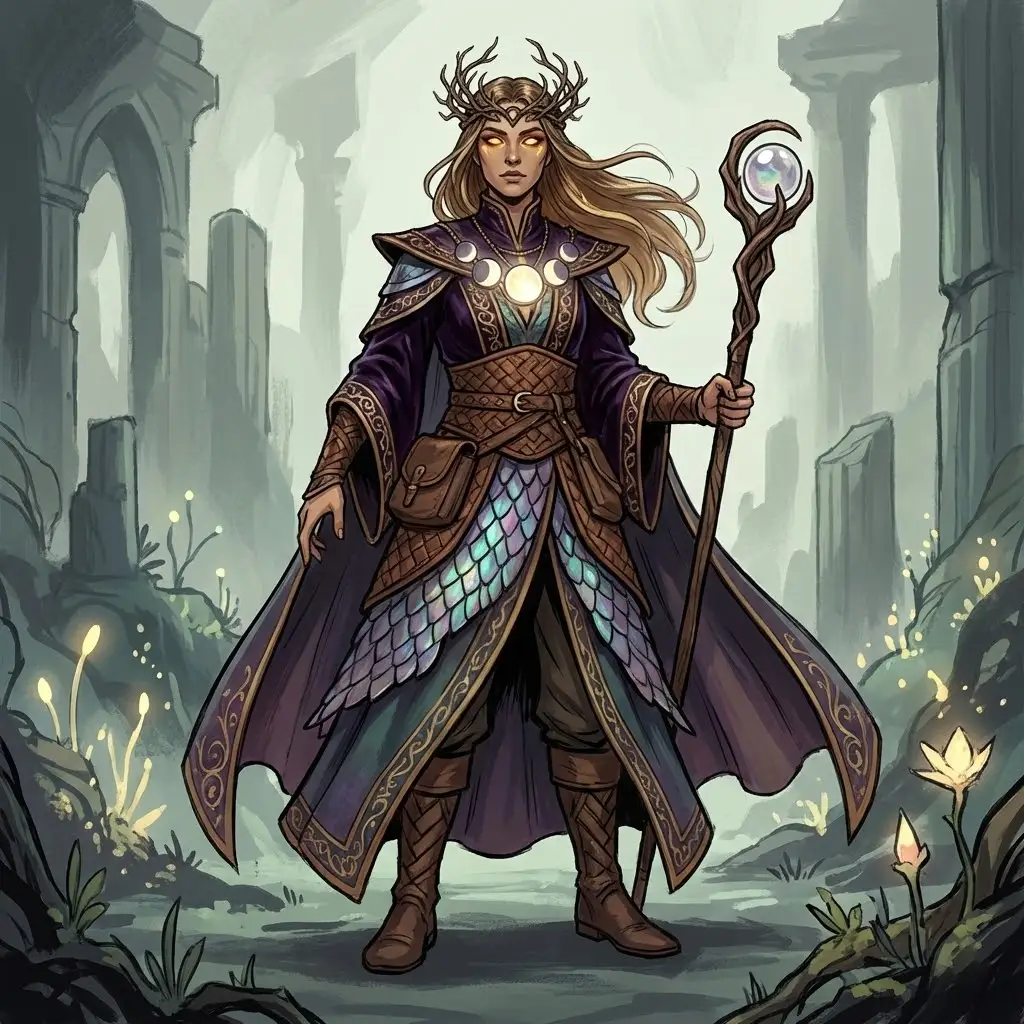
Fantasy World Character
Prompt:
Fantasy character design, unique clothing inspired by a magical world, layered fabrics, symbolic accessories, expressive eyes, strong silhouette, illustrated concept art style -- aspect ratio: <AR>
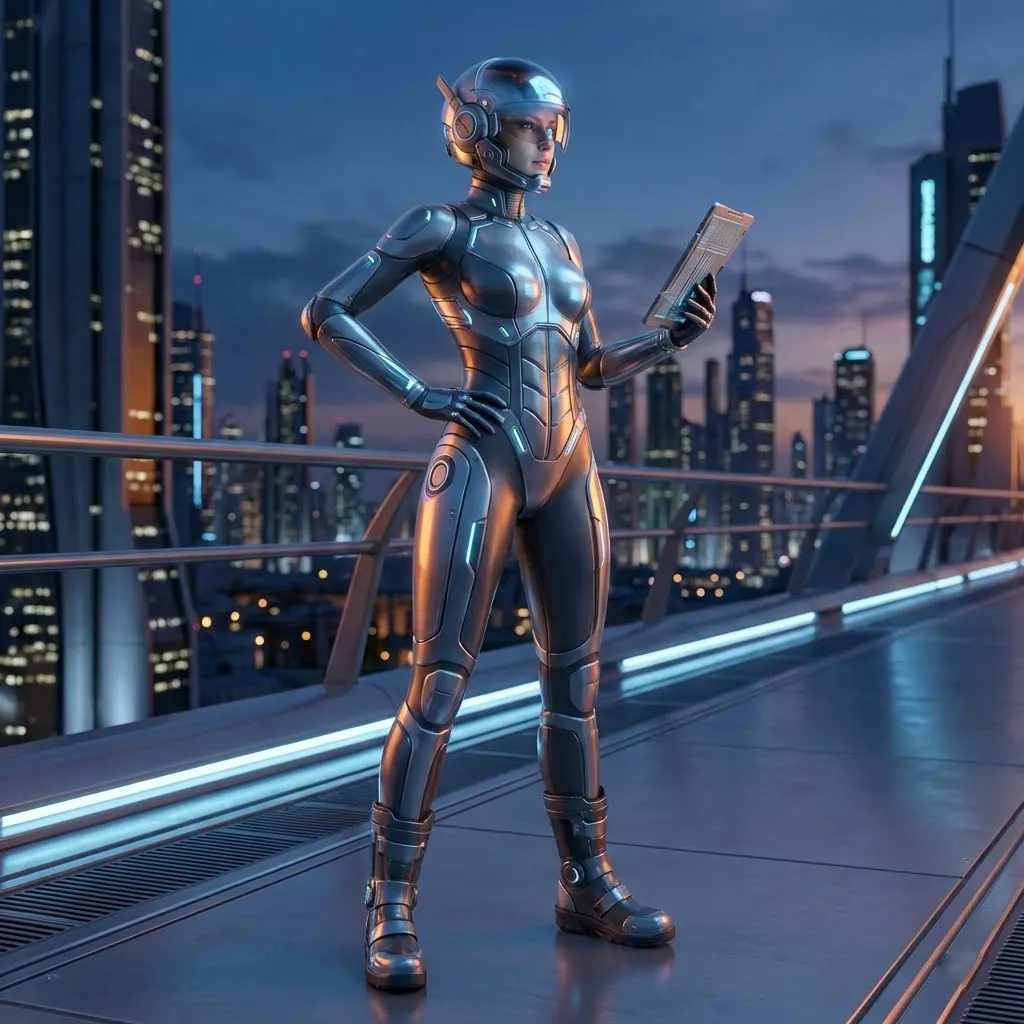
Sci-Fi Character Concept
Prompt:
Futuristic character, sci-fi outfit with sleek materials, functional details, confident stance, clean high-tech aesthetic, cinematic lighting -- aspect ratio: <AR>
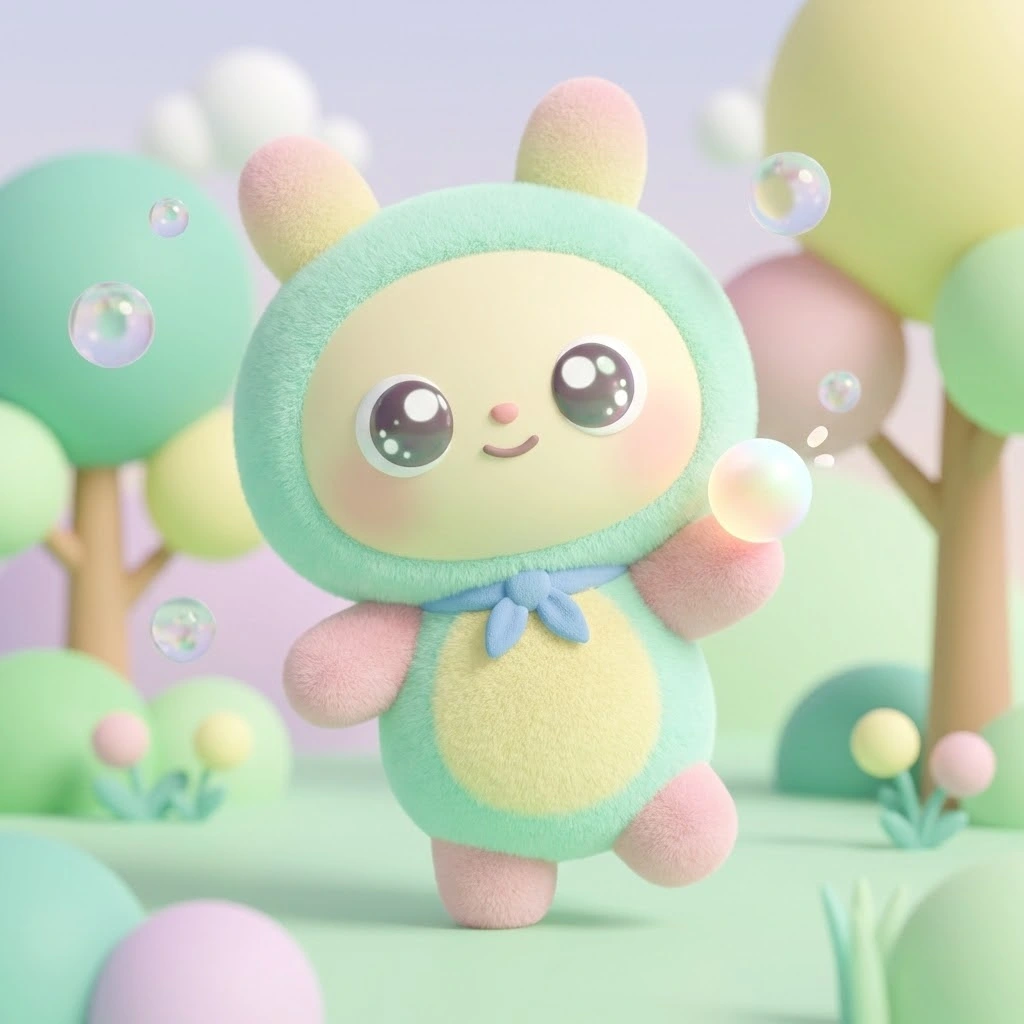
Cute Stylized Character
Prompt:
Cute character design with rounded proportions, oversized head, soft facial features, simple shapes, pastel color palette, friendly and playful mood -- aspect ratio: <AR>
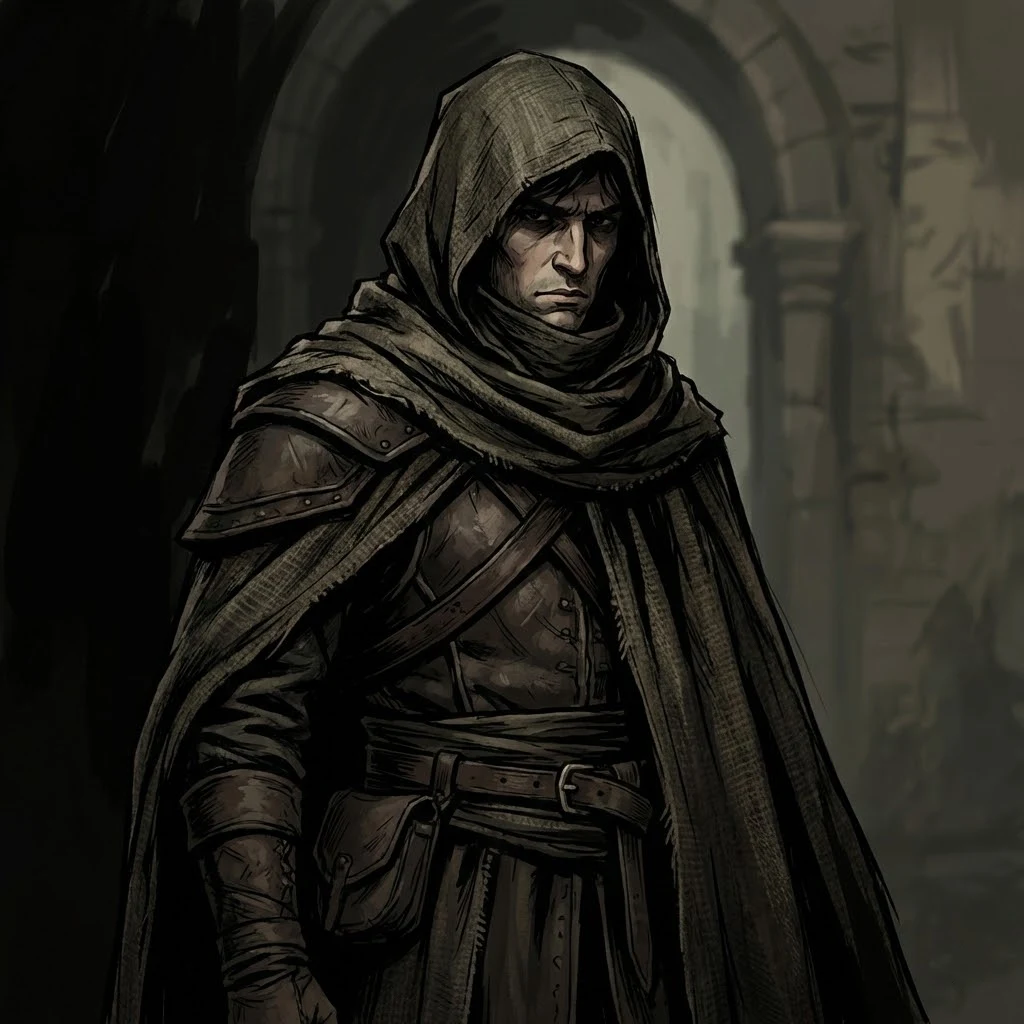
Dark & Mysterious Character
Prompt:
Mysterious character design, moody expression, layered clothing, dramatic shadows, subtle texture details, cinematic illustration style, minimal background -- aspect ratio: <AR>
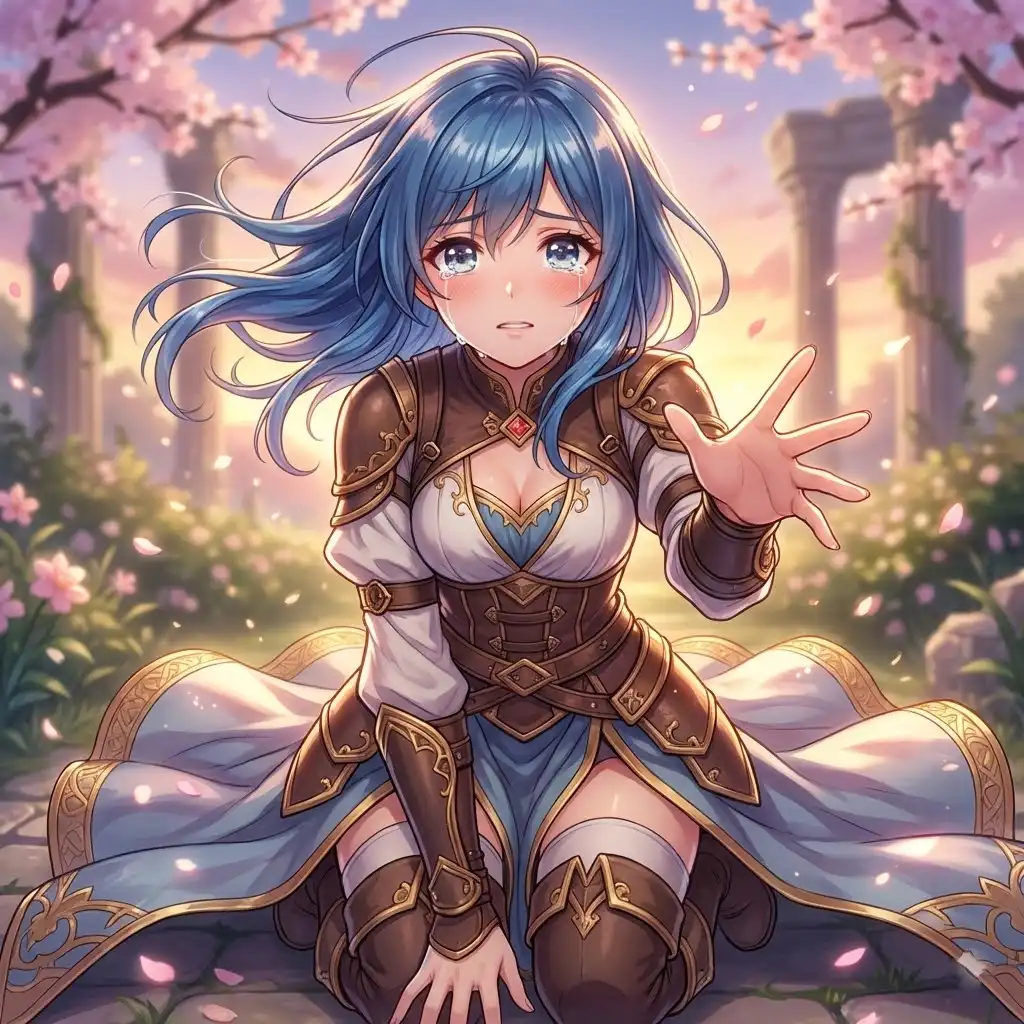
Anime-Inspired Character
Prompt:
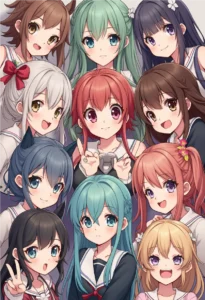
Anime-style character design, expressive eyes, dynamic hair, detailed outfit, emotional pose, polished illustration look, soft background -- aspect ratio: <AR>
Tips for Refining Your Concepts
The first image you generate is rarely the winner. It is usually just a messy draft.
- Start simple. Add complexity later.
- Tweak one variable. If the mood is wrong, change the lighting words.
- Check the silhouette. Strong character design ideas are readable even in shadow. If the shape is weak, the design is weak.
- Combine elements. Take the hair from one result and the boots from another.
Conclusion
Don’t overthink the tech. Use the software to speed up your mistakes. You can churn through fifty bad concepts in ten minutes to find the one character design idea that actually works. Once you have the concept, shut the AI off and do the real work yourself.