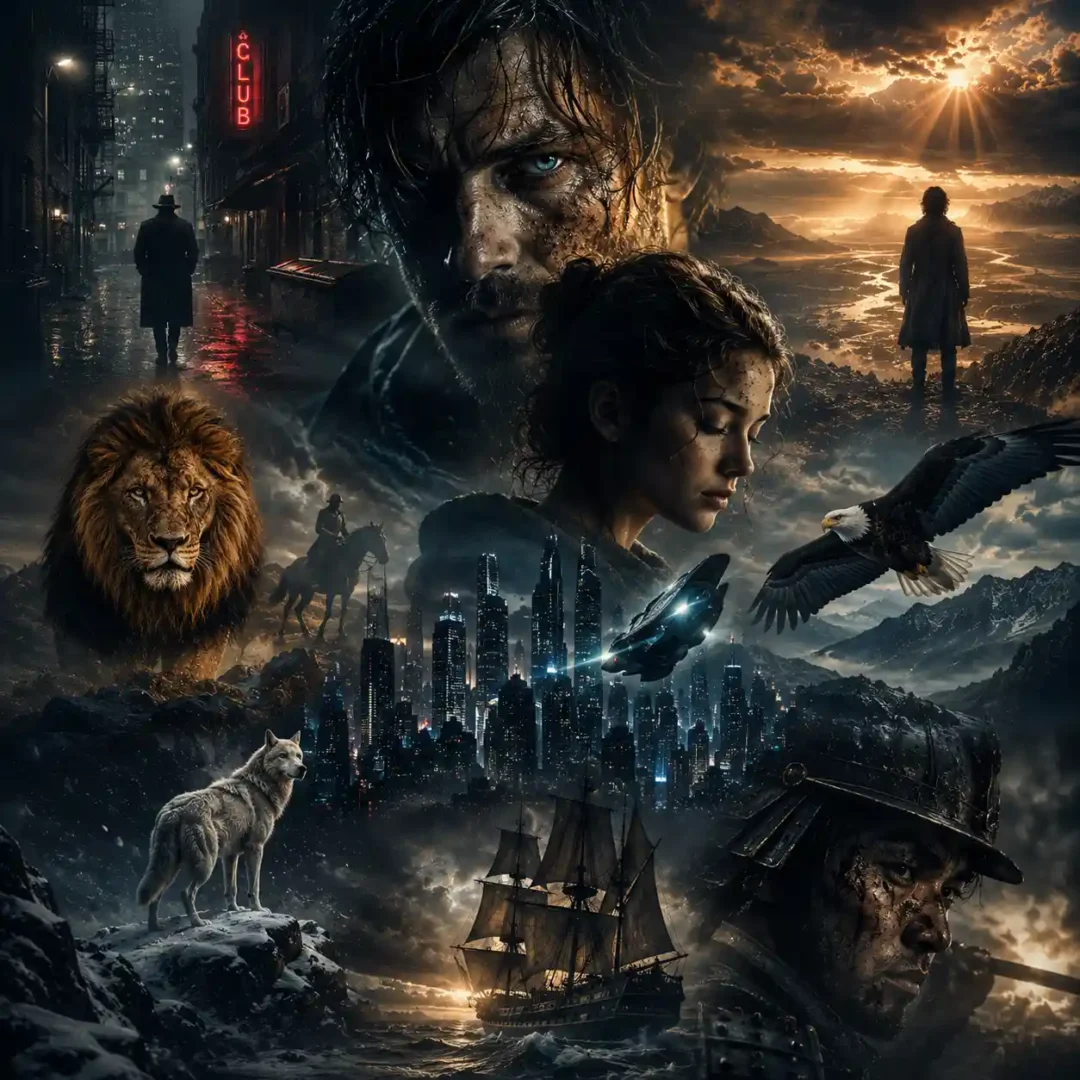
Hyperrealism Art AI Prompts for Photorealistic Scenes
Getting a realistic AI image is usually less about adding more adjectives and more about deciding what the viewer should notice first.
A wildlife scene, for example, needs believable anatomy, light and distance. A noir image depends much more on rain, reflections and shadow. Macro work has a completely different problem: the closer the camera gets, the more important focus and surface detail become.
That is why the prompts below take different approaches instead of forcing every image into the same “cinematic” formula.Wildlife Documentary Hyperrealism
Prompt:
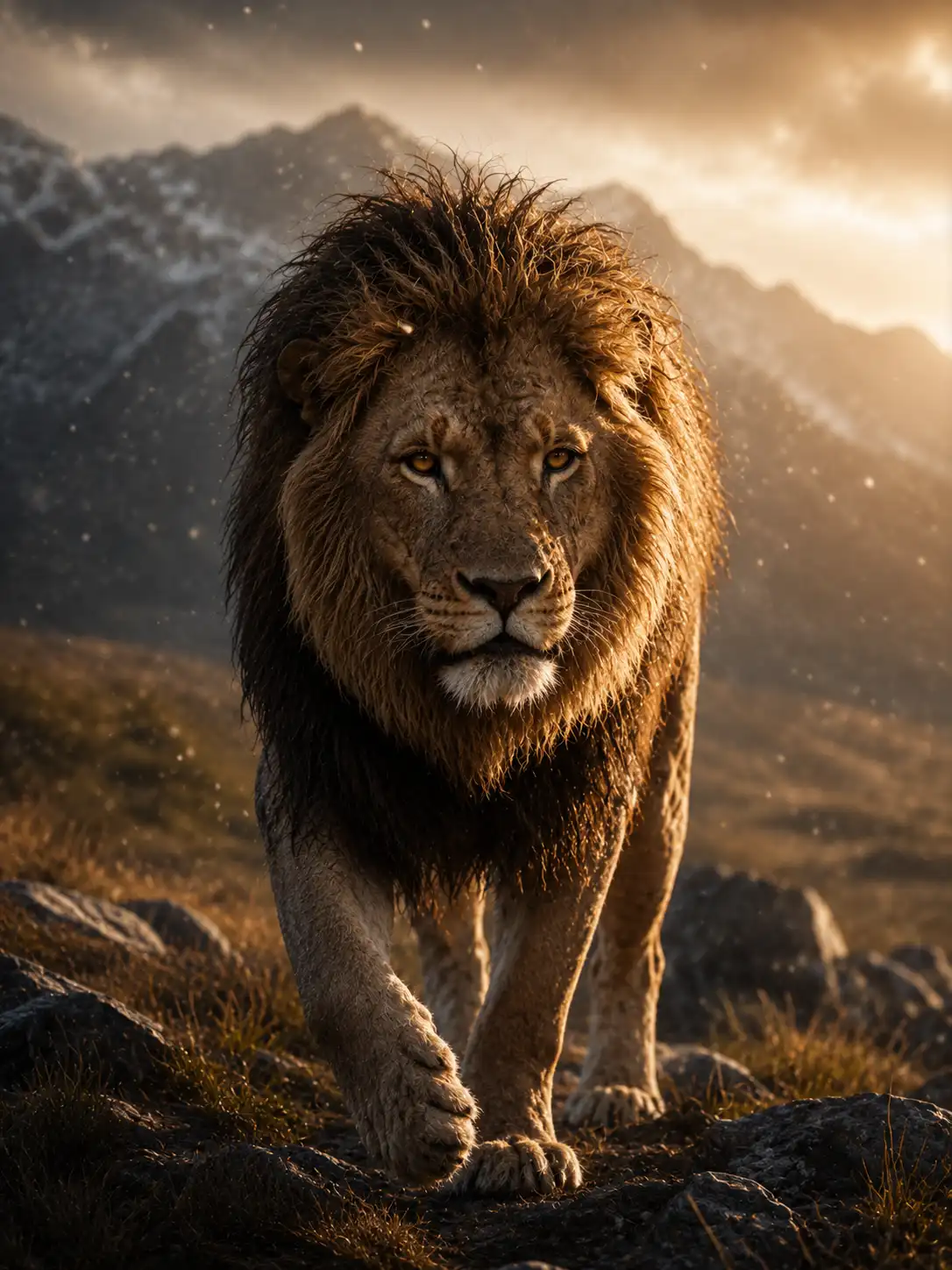
“Create an ultra-premium wildlife hyperrealism masterpiece with breathtaking National Geographic x BBC Earth x IMAX realism. Every fur strand, feather fiber, claw texture, water droplet, dust particle, and environmental detail must appear physically authentic and naturally captured in a once-in-a-lifetime cinematic wildlife moment. Use dramatic atmospheric depth, realistic weather interaction, cinematic sunlight diffusion, ultra-detailed anatomy, immersive wilderness scale, emotionally powerful animal presence, volumetric lighting, and handcrafted environmental storytelling. The final artwork must feel alive, untamed, emotionally intense, and visually indistinguishable from reality — absolutely NO CGI appearance, NO fantasy styling, NO artificial AI textures, NO oversharpening, and NO fake HDR effects.”
Cinematic IMAX Hyperrealism
Prompt:
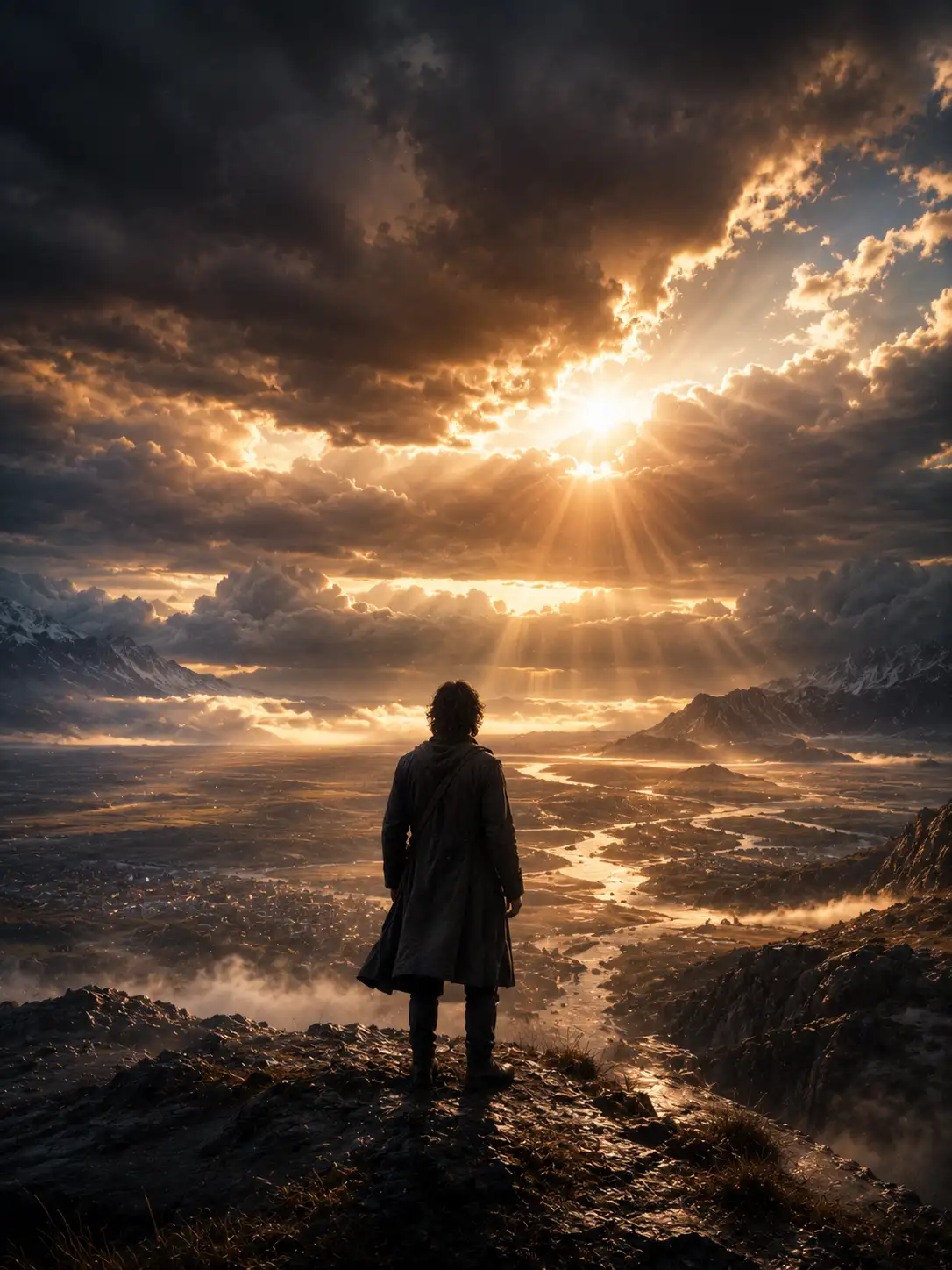
“Create a billion-dollar cinematic hyperrealism artwork with elite Hollywood visual sophistication and IMAX-level realism. Every reflection, shadow, texture, atmospheric layer, and environmental interaction must obey realistic cinematic physics. Use dramatic volumetric lighting, cinematic depth compression, realistic motion realism, subtle lens imperfections, emotionally powerful storytelling composition, atmospheric fog diffusion, realistic weather physics, and handcrafted visual direction inspired by award-winning Hollywood cinematographers. The image must feel emotionally immersive, visually unforgettable, and completely human-crafted with absolutely NO cheap AI look, NO synthetic textures, NO exaggerated glow, and NO unrealistic fantasy effects.”
Extreme Macro Hyperrealism
Prompt:
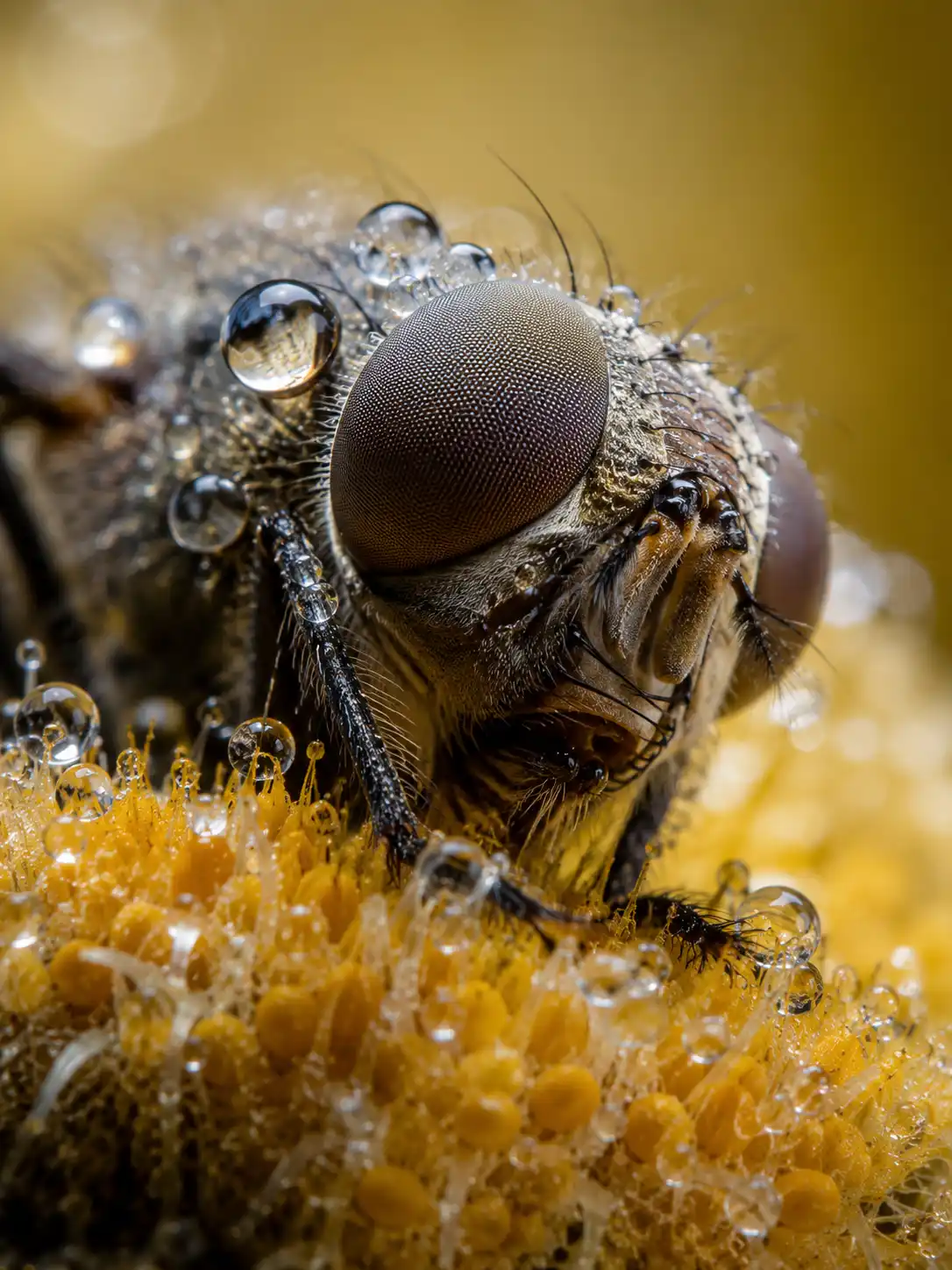
“Create an ultra-microscopic macro hyperrealism masterpiece with impossible levels of realistic detail and premium cinematic photography aesthetics. Every surface texture, microscopic particle, water droplet, light refraction, organic fiber, and reflective detail must appear scientifically accurate and visually breathtaking. Use ultra-shallow depth of field, realistic optical compression, natural sunlight behavior, physically accurate reflections, cinematic macro lens realism, and immersive environmental atmosphere inspired by world-class high-speed macro documentary photography. The image must feel biologically alive, visually hypnotic, and physically real — absolutely NO artificial digital sharpening, NO fake textures, NO CGI surfaces, and NO generic AI macro styling.”
Dark Noir Atmospheric Hyperrealism
Prompt:
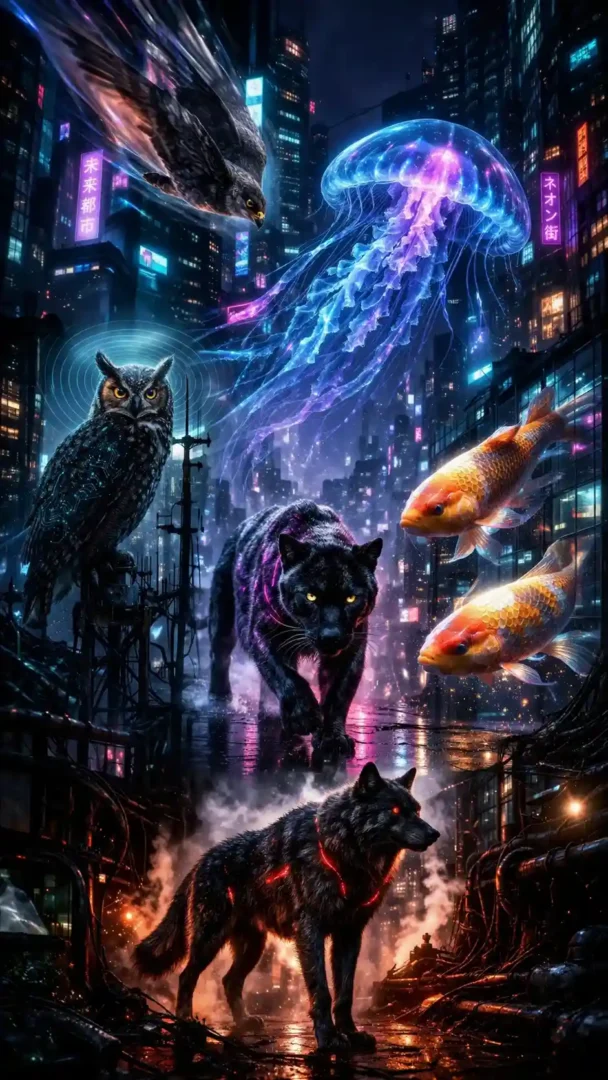
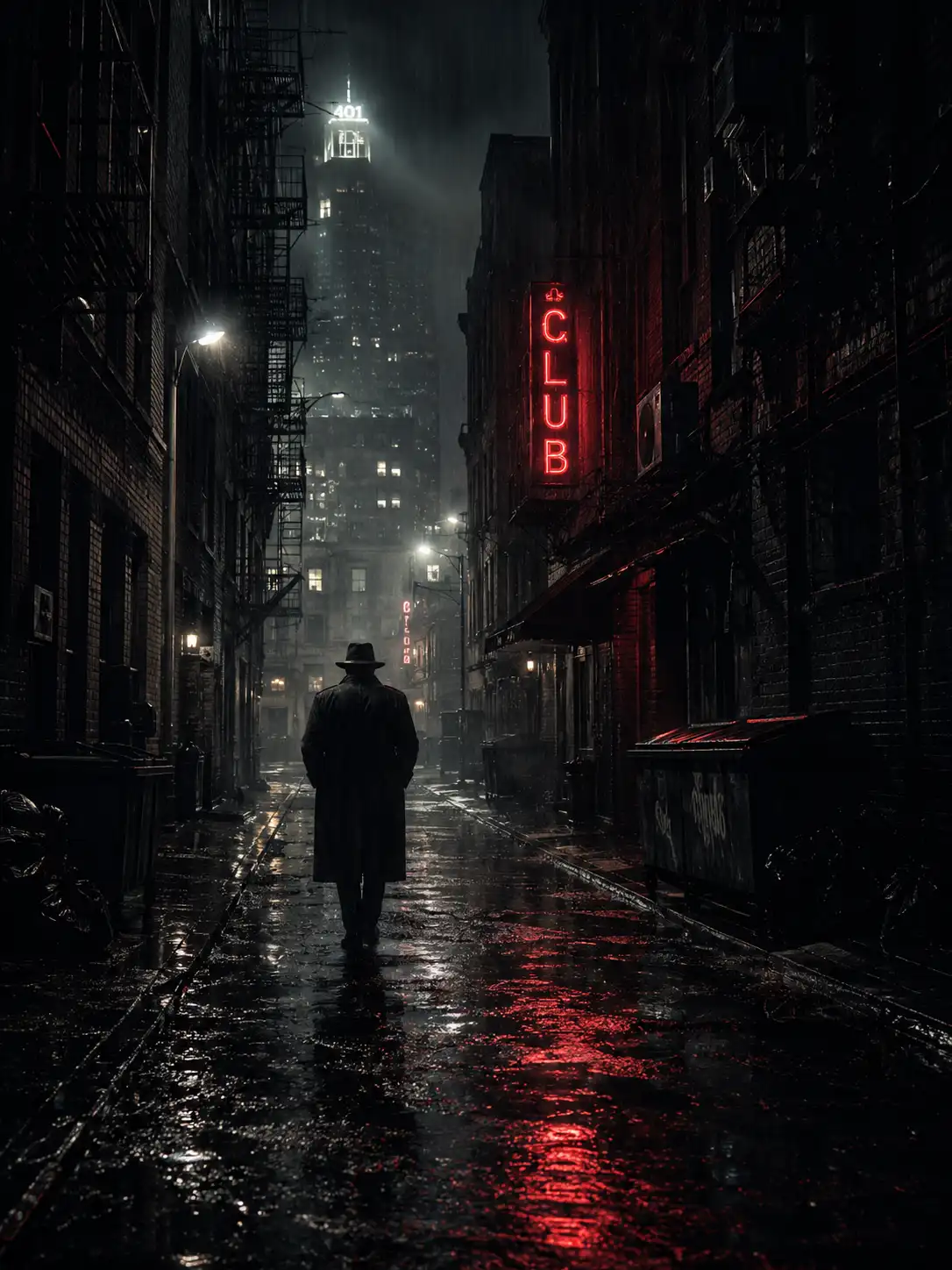
“Create an intensely atmospheric dark noir hyperrealism masterpiece with haunting cinematic realism and emotional psychological depth. Use realistic rain interaction, reflective wet surfaces, deep shadow sculpting, cinematic smoke diffusion, moody neon reflections, volumetric fog, realistic environmental decay, and ultra-detailed texture realism inspired by elite neo-noir cinema. Every lighting interaction, reflection, atmospheric layer, and material surface must feel physically authentic and naturally photographed. The artwork must radiate tension, mystery, emotional darkness, and cinematic immersion while remaining entirely grounded in realistic visual physics — absolutely NO cartoon aesthetics, NO artificial glow, NO oversaturated colors, and NO fake AI-generated appearance.”
Neo-Futuristic Sci-Fi Hyperrealism
Prompt:
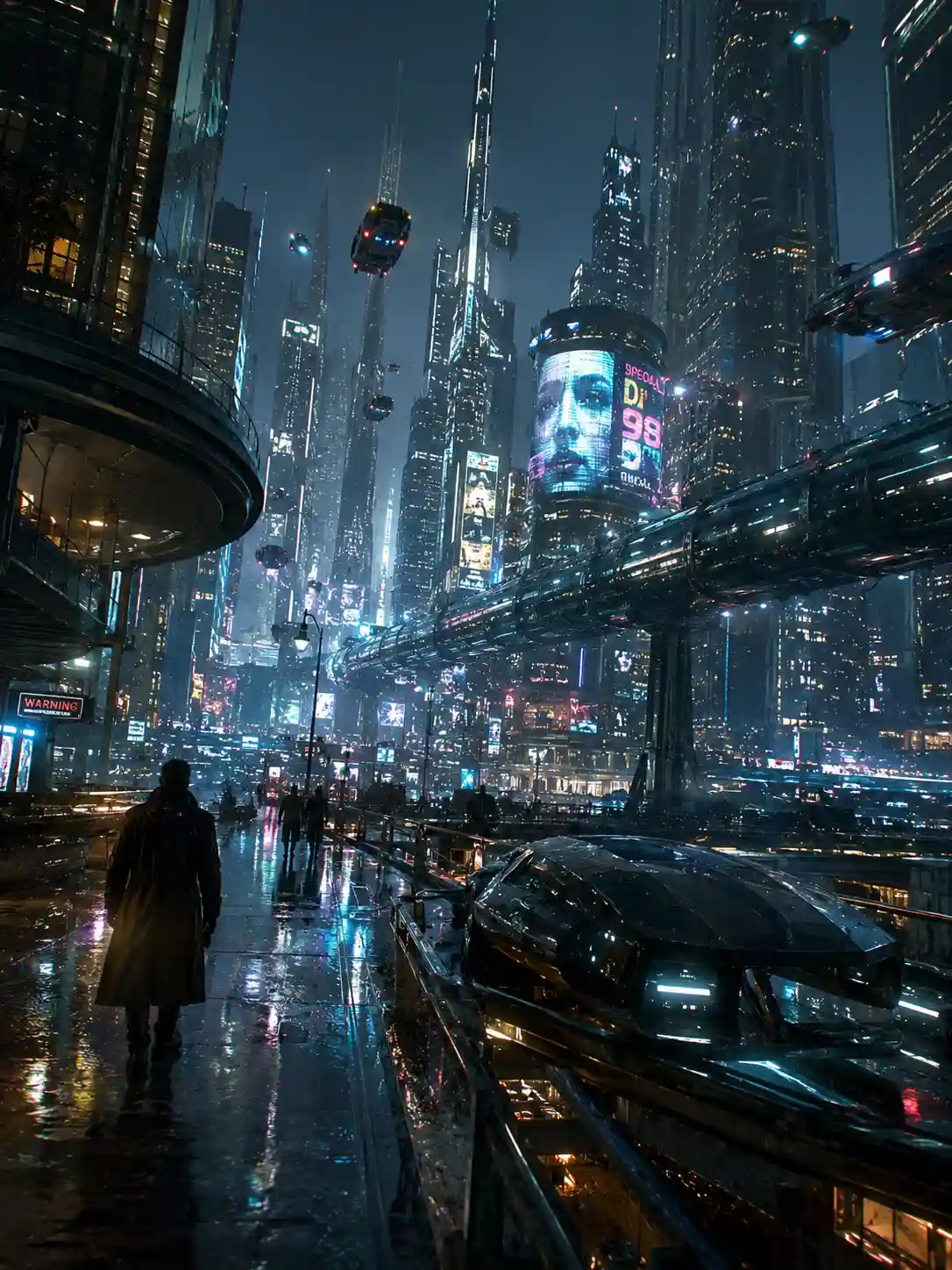
“Create an ultra-premium neo-futuristic hyperrealism artwork blending advanced sci-fi aesthetics with absolute physical realism and cinematic production quality. Every metallic reflection, holographic surface, atmospheric light ray, architectural detail, environmental texture, and futuristic material must obey real-world cinematic lighting physics while maintaining elite futuristic sophistication. Use immersive wide-angle cinematography, reflective chrome surfaces, cinematic neon diffusion, realistic environmental atmosphere, volumetric depth, luxury cybernetic design language, and billion-dollar production-level worldbuilding inspired by the greatest science-fiction films ever created. The final image must feel like a real photograph captured in the future — absolutely NO generic AI cyberpunk styling, NO cartoon sci-fi effects, and NO unrealistic fantasy rendering.”
Museum-Grade Fine Art Hyperrealism
Prompt:
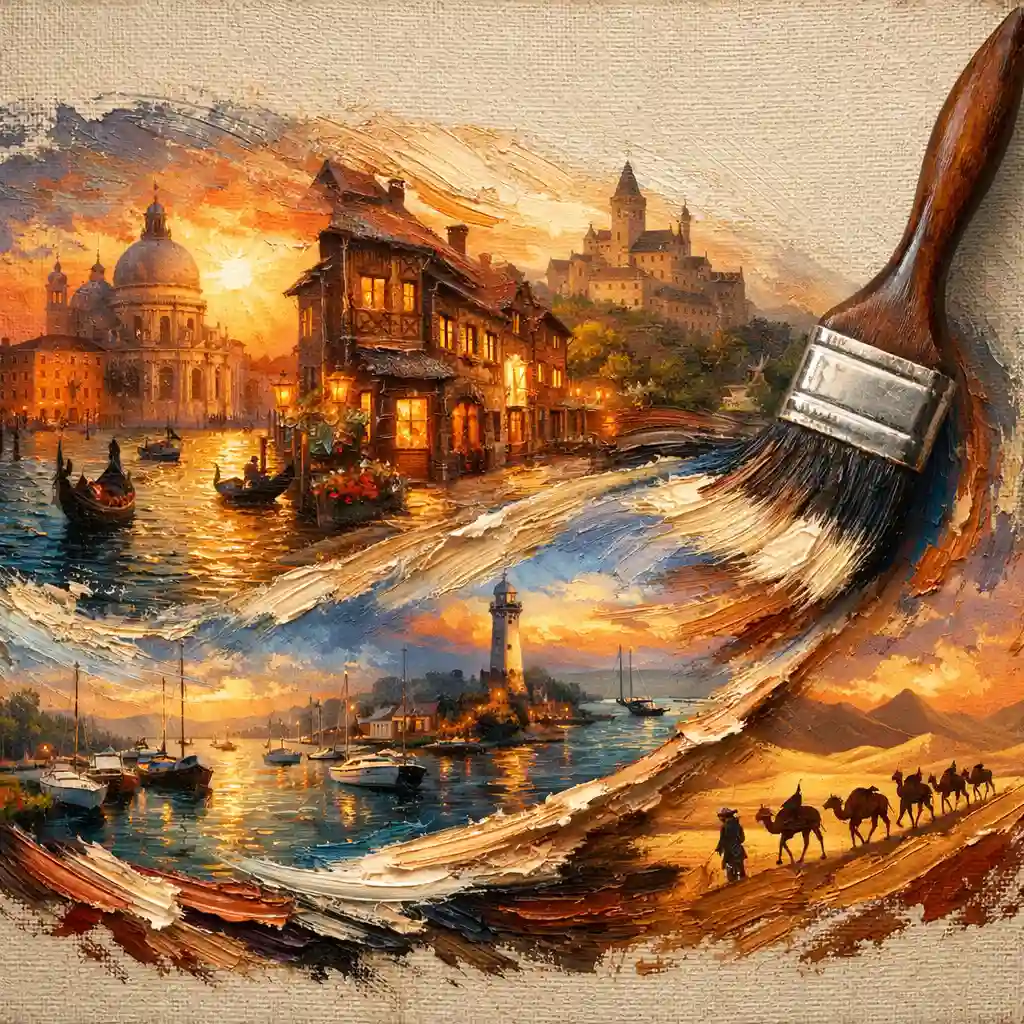
“Create a timeless museum-grade fine art hyperrealism masterpiece with extraordinary handcrafted artistic intelligence and emotional depth. Blend photographic realism with subtle painterly sophistication inspired by legendary classical masters and elite contemporary fine art photography. Every texture, shadow transition, atmospheric layer, composition line, and tonal balance must feel intentionally handcrafted by a world-renowned artist. Use masterfully sculpted lighting, refined cinematic atmosphere, elegant depth separation, authentic natural imperfections, emotionally powerful composition, and gallery-level visual storytelling. The artwork must feel iconic, emotionally unforgettable, collectible, and worthy of international museum exhibition — absolutely NO synthetic AI visual signatures, NO exaggerated effects, NO digital plastic textures, and NO cheap artificial styling.”
Can Futuristic Images Still Look Real?
Yes, but realism becomes more difficult when the subject itself doesn’t exist.
For futuristic architecture, vehicles or technology, the trick is to give imaginary objects real physical behaviour. Metal should reflect its surroundings. Glass should distort what sits behind it. Light should fall across surfaces instead of simply glowing around them.
This is where futuristic hyperrealism differs from ordinary cyberpunk imagery. The design can be impossible while the materials and lighting remain believable.
Hyperrealism Doesn’t Mean Removing Every Imperfection
This is one of the easiest mistakes to make.
Real photographs contain tiny inconsistencies: uneven surfaces, slight lens distortion, subtle noise, imperfect reflections and areas that fall outside the focus plane. Removing all of these can make an AI image look cleaner but less believable.
For that reason, adding more detail isn’t always the right fix when an image feels artificial.
Sometimes removing detail is what makes it work.
What Usually Goes Wrong?
A few problems appear repeatedly in AI-generated hyperrealism:
Skin becomes unnaturally smooth.
Reflections don’t match the surrounding environment.
Objects have inconsistent proportions.
Backgrounds contain repeated patterns.
Shadows point in conflicting directions.
Everything is equally sharp.
Metallic surfaces look like plastic.
Fog or glow is added everywhere.
Fine details become noisy instead of meaningful.
When one of these problems appears, changing the entire description isn’t always necessary. Identify the specific failure and correct that part of the image.
How to Make Hyperrealism Art More Convincing
Start with the subject and scene rather than stacking dozens of visual adjectives.
Decide what the viewer should notice first. Then establish the environment, light source, camera perspective and material behaviour. After that, refine smaller details.
This produces a more controlled result than repeatedly adding words such as ultra-detailed, masterpiece, 8K or cinematic.
Those terms can describe an intention, but they don’t solve a lighting or composition problem.
Is Hyperrealism the Same as Photorealism?
Not exactly.
Photorealism generally aims to make an image resemble a photograph. Hyperrealism can push beyond ordinary photographic representation, emphasising texture, clarity, atmosphere or visual detail while still maintaining a convincing sense of reality.
In AI artwork, however, the two terms often overlap. What matters more than the label is whether the image’s visual elements make sense together.
What to keep in mind
The most convincing hyperrealistic AI artwork isn’t necessarily the image with the most detail. It is the one where the lighting, materials, perspective and imperfections make sense together.
Sometimes a softer background or an imperfect reflection will make an image feel more believable than adding another layer of detail. That’s the difference between an image that looks technically impressive and one that actually feels real.